

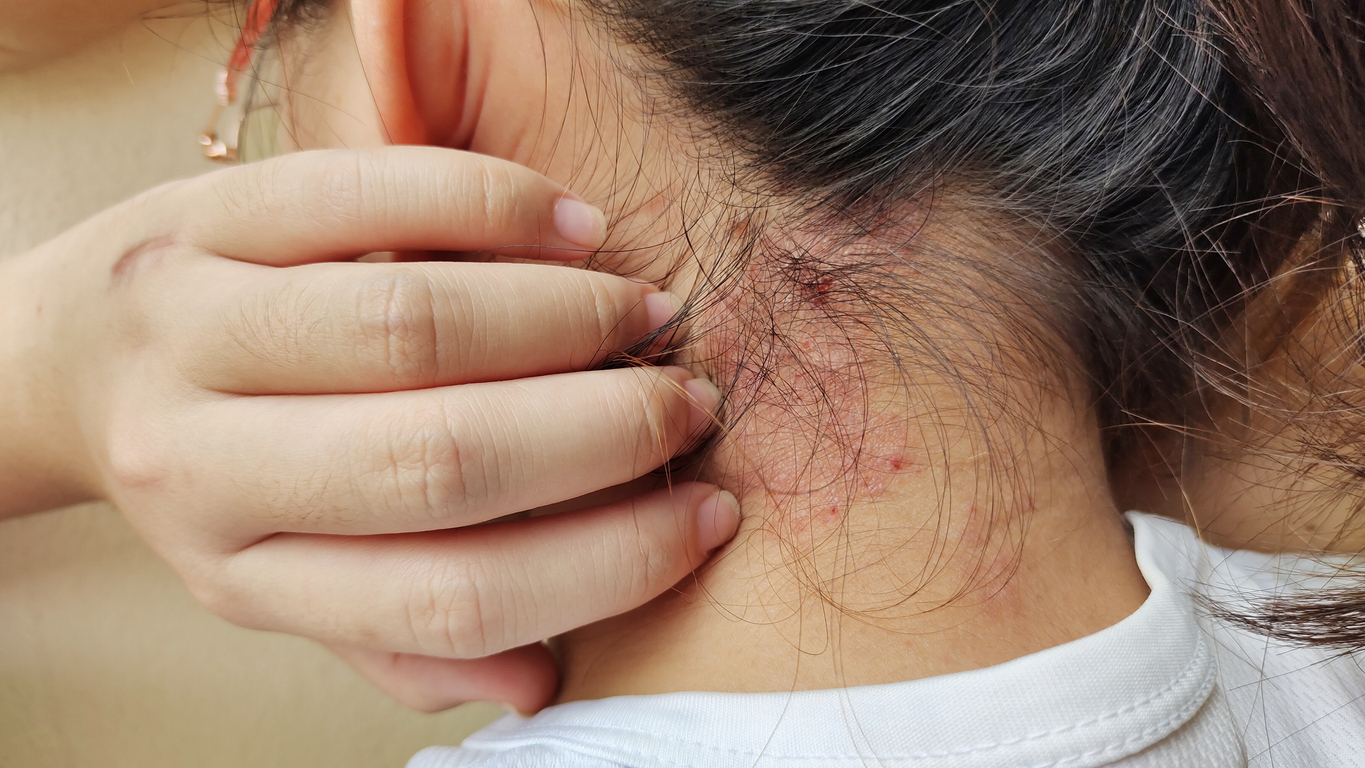
Spring in Jacksonville is a lot of things — gorgeous weather, longer evenings, the sweet smell of something blooming around every corner. But if you’ve got sensitive skin, you know the other side of that story. The itching. The redness. The rash that showed up out of nowhere and refuses to leave.
Here’s the thing: not every springtime flare-up is the same, and treating the wrong one won’t get you very far. So let’s break down the three conditions we see most at Coastal Dermatology this time of year—eczema, seasonal allergy reactions, and contact dermatitis—and help you figure out what your skin might actually be telling you.
First, Why Does Spring Do This To Us?
Blame the season. Jacksonville’s spring is stunning, but it’s also a lot for your skin to handle all at once. The shift from dry indoor air to warm, humid outdoor air throws off your skin’s natural moisture balance. Once spring has sprung, you’re back outside, exposing your skin to all kinds of new things after months of relative calm. If winter treated your skin well and spring has it in a full revolt, that’s not a coincidence.
Eczema (Atopic Dermatitis)
Eczema is often used interchangeably with dry skin, but it’s so much more than that. It’s a chronic condition in which the skin’s protective barrier doesn’t function properly, leaving it vulnerable to irritation and inflammation.
In adults, it tends to show up in the same spots: the creases of your elbows and knees, your neck, and your hands. The skin looks dry, thickened, and scaly, usually somewhere between pink and an angry red. And the itch? It’s relentless. Many people describe it as a deep, crawling sensation that scratching doesn’t fix, and actually makes it worse.
What Triggers an Eczema Flair-Up
Eczema flares don’t just happen. Something triggers them, and spring has a way of delivering several triggers at once. Watch out for:
- Pollen: Jacksonville’s oak and pine season is no joke, and pollen is a well-known eczema aggravator
- Sweat and Heat: Warmer temperatures mean more perspiration, which directly irritates sensitive skin
- New or Scented Products: That fresh spring lotion might smell amazing and cause a flare-up by Tuesday
- Chlorine: Pool season is here, and chlorinated water is tough on the skin barrier
The good news is that eczema responds well to treatment. Consistent moisturizing with fragrance-free, ceramide-based creams is a great foundation. For more stubborn cases, there are excellent prescription options that can make a real difference.
Seasonal Allergies and Your Skin
Everyone knows allergies mean sneezing and itchy eyes. What fewer people realize is that your skin can have an allergic reaction too, and it doesn’t always look the way you’d expect.
When your immune system kicks into gear against something like pollen, it releases histamine throughout your body. For people with reactive skin, that can show up as a rash known as hives (raised, red welts that itch intensely and can pop up anywhere on the body). Individual hives usually fade within 24 hours, but new ones can keep forming, making it feel like the rash just won’t quit.
One useful clue: allergy-driven skin reactions tend to ebb and flow with the weather. Better on a rainy day when pollen counts drop, worse when it’s dry and windy. Eczema doesn’t usually follow that pattern as closely.
Spring also means more time outdoors, including near plants such as poison ivy and poison oak. These cause a delayed reaction, meaning the rash won’t show up until 12 to 72 hours after contact. When it does, it looks like streaky, blistering, incredibly itchy patches right where the plant brushed your skin. If you were outside and woke up the next day with an angry rash, that timeline matters.
Contact Dermatitis
Two Types, One Very Annoying Rash
Contact dermatitis is exactly what it sounds like: your skin reacting to something it touched. It’s one of the most common things we see in spring, largely because people change their routines and introduce new products into their daily lives.
Irritant Contact Dermatitis
The most straightforward of the two versions. A substance (think harsh soaps, cleaning sprays, or repeated handwashing) physically damages the skin barrier over time. No allergic response needed; it’s just wear and tear.
Allergic Contact Dermatitis
The trickier version. Your skin becomes sensitized to a specific ingredient—sometimes one you’ve used for years without any issue—and then one day, it’s done. Even tiny amounts of that ingredient can now trigger a delayed rash, usually 24 to 96 hours after contact.
The Usual Spring Suspects
- Sunscreen: Chemical filters like oxybenzone are common culprits. If sunscreen bothers your skin, try a mineral formula with zinc oxide instead.
- Fragrance: It hides in everything; body lotion, laundry detergent, candles, and cleaning wipes.
- Nickel: That necklace or bracelet you start wearing again in warm weather? Classic trigger.
- Plants: Poison ivy gets all the attention, but tulip bulbs and wild parsnip can cause reactions, too.
- Preservatives: Ingredients like methylisothiazolinone (MI) show up in a lot of personal care products and are a frequent sensitizer.
With contact dermatitis, the location of the rash tells the story. A rash that runs in straight lines on your forearm? Probably poison ivy. Irritation right under your wristband? Likely the elastic or dye in your clothing. Redness on your earlobes and wrists? Say hello to nickel. The rash stays where the contact happened, which is one of the clearest ways to tell it apart from eczema or hives.
So… Which One Is It?
Fair question. Here’s a quick way to think through it:
Where did the rash show up? Eczema has favorite spots: elbows, knees, and neck. Contact dermatitis follows the outline of whatever touched your skin. Hives can appear just about anywhere.
How fast did it come on? Hives move fast, sometimes within minutes. Allergic contact dermatitis is slow to develop: 24 to 96 hours. Eczema tends to creep up gradually over days.
Is it moving around? Hives are wanderers; they fade and pop up somewhere new. Eczema and contact dermatitis generally stay in one place.
Did anything change recently? If you started using a new product or spent time in the yard in the day or two before the rash appeared, contact dermatitis is worth considering.
Why Coastal Dermatology Gets It
Living near the coast in Jacksonville isn’t just a lifestyle; it’s a skincare consideration. Between the salt air, intense UV exposure, a pollen season that starts earlier than most of the country, and a climate that keeps you outdoors year-round. Northeast Florida residents deal with skin challenges that most people in other parts of the country simply don’t. At Coastal Dermatology, that’s exactly the kind of environment we’ve built our practice around.
We Know Your Skin’s World
Our team understands that your skin doesn’t exist in a vacuum; it lives in heat and humidity and responds to the very specific seasonal patterns of this region. When you come in with a spring flare-up, we’re not applying a one-size-fits-all approach. We’re thinking about your lifestyle, your environment, and what’s actually realistic for you on a daily basis.
Expertise That Goes Beyond the Surface
Whether you’re dealing with a chronic eczema condition that flares every March, a mysterious rash you can’t trace back to anything, or skin that’s been reacting to something in your routine for years, our providers get to the bottom of it.
We offer patch testing to identify specific contact allergens; one of the most effective (and underutilized) tools in figuring out why your skin keeps reacting. No more guessing. No more cycling through products that don’t work.
A Practice That Puts Patients First
We know that dealing with a frustrating skin condition isn’t just physically uncomfortable; it’s exhausting. That’s why we take the time to actually listen, explain what’s happening in plain language, and build a treatment plan you can realistically stick to. From your first visit to your follow-up, our goal is to make sure you leave feeling like you have answers and a clear path forward.
Schedule an Appointment at Coastal Dermatology Today
Spring should be enjoyed, not spent wondering why your skin is staging a revolt. If you’re ready to figure out what’s really going on, we’d love to see you. Reach out to us today to schedule an appointment at one of our two locations—Jacksonville and Ponte Vedra Beach—and get your skin back on track.